Women's Health MedTech
Driving Innovation in FemTech: Diagnostics, Digital Health & AI, Medical Devices, and Wearables
4/13/2027 - April 14, 2027 ALL TIMES PDT
As women’s health MedTech expands across the healthspan, what was once considered a niche market has emerged as a major area of innovation, investment, and commercial opportunity. CHI’s Women’s Health MedTech conference will showcase the technologies reshaping prevention, diagnosis, monitoring, and treatment through medical devices, diagnostics, wearables, digital biomarkers, AI-enabled solutions, remote patient monitoring, digital health platforms, and connected care technologies. The program will explore advances across reproductive health, cardiovascular disease, oncology, menopause, and healthy aging, highlighting the companies, technologies, and business models driving the next generation of women’s health. Bringing together technology developers, investors, entrepreneurs, healthcare leaders, and strategic partners, the conference will examine commercialization pathways, investment trends, regulatory and reimbursement considerations, strategic partnerships, and opportunities to accelerate adoption and scale. Join the investors, innovators, entrepreneurs, and industry leaders building the future of women’s health.
Tuesday, April 13
PLENARY KEYNOTE SESSION
Organizer's Welcome Remarks
Chairperson's Remarks
Sponsored Keynote Introduction (Opportunity Available)
Panel Moderator:
PLENARY KEYNOTE PANEL:
It Takes a Village: A Cross-Sector Conversation on Innovation in Women's Health

Panelists:



Connect and Recharge Refreshment Break with Exhibit and Poster Viewing (Sponsorship Opportunity Available)
Organizer's Remarks
Chairperson's Remarks
Nada O. Hanafi, MSc, MPH, Founder & Manager, MedTech Strategy Advisors, LLC; Co-Founder, MedTech Color; Co-Founder, Women’s Health Advocates , Founder & Manager , MedTech Strategy Advisors, LLC and MedTech Color
Panel Moderator:
PANEL DISCUSSION:
Closing the Gap: Regulation, Evidence, and Capital for Women's Health Devices

Panelists:

Panel Moderator:
PANEL DISCUSSION:
The AI Playbook: Transforming Innovation and Care in Women’s Health

Panelists:

Sponsored Presentation (Opportunity Available)
Women's Health Rocks Reception with Exhibit and Poster Viewing
Close of Day
Wednesday, April 14
Registration Open and Morning Coffee
AI AND DATA-DRIVEN INNOVATION IN WOMEN'S HEALTH MEDTECH
Chairperson's Remarks
Emotionally-Intelligent AI for Women’s Health

She Tells Her Story Once: How Wearables, Voice AI, and Digital Platforms Can Connect the Dots in Midlife Women's Health
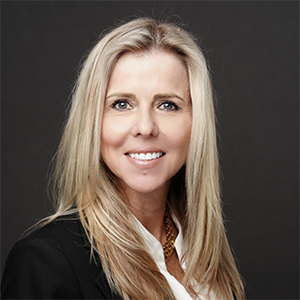
Midlife women repeat symptoms to multiple clinicians, while sleep disruption, hot flashes, mood changes, and cardiometabolic shifts are treated in isolation. This session explores how wearables, voice AI, and digital platforms can capture a woman’s story once and carry it across her care journey. We examine continuous data, conversational symptom capture, and interoperable records, and discuss what clinicians, developers, and health systems need to build connected, equitable women’s health care.
The Trust Gap: Building Clinically-Credible AI Monitoring for Women's Health
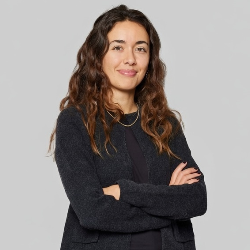
Chronic conditions, many of which disproportionately affect women, such as cardiovascular disease and post-oncology follow-up, often go unmonitored between visits, not for lack of technology, but of clinical trust in it. Drawing on deploying Class IIb SaMD-certified Clinical Voice AI across 80+ hospitals in Europe and the US, this session shares practical lessons on building remote monitoring AI that clinicians actually adopt: the evidence, governance, and human oversight required to close the gap between patient need and care-team capacity.
Scaling AI-Driven Breast Imaging at the Point of Care

Closing the Diagnostic Gap in Chronic Pelvic Pain: Workflow-Embedded AI Decision Support in the EHR

What if the clues to a delayed diagnosis were already in the chart? For many women with chronic conditions like endometriosis, the signs show up in pieces across visits, specialists, and diagnosis codes. This session examines why that information goes unused and what it takes for AI to act on it within the EHR workflow, drawing on Lasa Health’s work with Mayo Clinic and over 11 million patient records.
Getting More from Gynecological MRI: AI for Women’s Health

Pelvic MRI scans contain far more information than routine reports reveal. Imaging biomarkers remain underused because specialist expertise, particularly in endometriosis, is unevenly available and manual measurements take time. Drawing on the world’s largest annotated gynecological MRI dataset, Matricis.ai trains multiple AI models to detect disease and quantify these biomarkers. This talk explores how turning existing scans into actionable insights can support more personalized care.
Sponsored Presentation (Opportunity Available)
Interactive Breakout Discussions Block
INTERACTIVE BREAKOUT DISCUSSIONS
Interactive Breakout Discussions
Interactive Breakout Discussions are informal, moderated discussions, allowing participants to exchange ideas and experiences and develop future collaborations around a focused topic. Each discussion will be led by a facilitator(s) who keeps the discussion on track and the group engaged. To get the most out of this format, please come prepared to share examples from your work, be a part of a collective, problem-solving session, and participate in active idea sharing. Please visit the Interactive Breakout Discussions page on the conference website for a complete listing of topics and descriptions.
Presentation to be Announced
Continue Conversations over Coffee with Exhibit and Poster Viewing (Sponsorship Opportunity Available)
DIGITAL HEALTH AND CONNECTED CARE TECHNOLOGIES
Chairperson's Remarks
Care without Walls
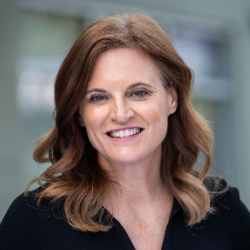
Telehealth is becoming the preferred healthcare home for many. With advancements of home wearables, home diagnostics, and the access given by both asynchronous and synchronized telehealth, more healthcare is being done remotely. Women want it and clinicians want it.
Innovation in Maternal Health: Advancing Outcomes through Prevention, Access, and Inclusion

Maternal health remains one of the most significant yet underinvested areas of women's health. This session will explore how medical devices, diagnostics, and digital health solutions can address persistent maternal health challenges, while highlighting how Medicines360 and its partners are helping bridge the gap between innovation and access to improve outcomes for all women from day one.
Beyond the Appointment: How Connected Insights Are Reshaping Maternity Care

Maternity care hasn’t changed in 100 years, and current maternal outcomes demand a new model. Anoushka Gungadin shows how connected devices, wearables, and AI transform pregnancy data into early risk detection and continuous, personalized care. Drawing on HeraMED’s completed Lee Health pilot and Philips partnership, she shares how digital innovation can scale across US health systems and why women’s health represents healthcare’s biggest opportunity.
Beyond the App: Connecting Digital Health and the Human Experience

Digital health has transformed how individuals access information, track their health, and engage with care, but technology alone is not enough. In maternal and infant health, the greatest opportunity comes from connecting digital tools with human clinical support. In this session, ProgenyHealth CEO Susan Torroella will share how ProgenyHealth combines a personalized maternity mobile experience with clinical care management to engage members earlier, build trust, continuously identify changing clinical, behavioral, and social risks, and connect individuals with the right support at the right time. Attendees will leave with a practical perspective on how connected care can turn digital engagement into meaningful action throughout pregnancy and postpartum, while delivering greater predictability and better outcomes.
Rethinking Bone Health: Bringing Osteoporosis Prevention into the Menopause Conversation

Osteoporosis often goes undetected until a fracture occurs, despite the critical role midlife plays in long-term bone health. Laura will explore how non-pharmacological innovations can help address bone loss during the menopause transition, expand options for prevention and management, and shift bone health from a reactive approach to proactive care.
Expanding the Evidence for Continuous Hormone Monitoring
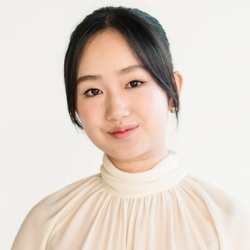
Hormone levels fluctuate over time and vary from person to person. What can continuous monitoring tell us about those changes? Clair Health co-founder Jenny Duan shares how the team is building on its early research into non-invasive continuous hormone monitoring. She’ll explore how larger studies can help assess how well the technology performs, identify which patterns are common and which vary by individual, and guide the design of future women’s health wearables.
Luncheon Presentation (Sponsorship Opportunity Available) or Enjoy Lunch on Your Own
Session Break
ADVANCES IN DIAGNOSTICS, WEARABLES, AND SENSORS
Chairperson's Remarks
Farideh Bischoff, PhD, CMO, Global Head of Diagnostics, Heranova Lifesciences, Inc. , CMO , Heranova Lifesciences
More than a Test: Innovation and Policy Driving Diagnostics for Women

Innovations in diagnostics are transforming the way diseases are detected, monitored, and treated and are often the least understood by the stakeholders who rely on them. Access and policy decision makers can either enable their widespread adoption and use or impose barriers that may impact women uniquely and disproportionately depending on the disease area. This talk will explore the role of diagnostics throughout a woman's lifespan and why developers must consider and develop solutions to address access and policy gaps/needs.
Endometriosis Diagnostics

Endometriosis diagnosis is often delayed due to heterogeneous symptoms and limitations of imaging, with laparoscopic visualization remaining invasive and operator-dependent. We developed a novel multiomic non-invasive AI-based blood test composed of 7 biomarkers with a performance of 0.95 AUC, 0.83 sensitivity, and 0.975 specificity across ethnically-diverse participants. This multiomic assay represents a scalable diagnostic tool with the potential to shorten diagnostic delays for earlier detection, to aid timely intervention.
The Future of Hormone Diagnostics

The menstrual cycle is dominated by two main hormones, estrogen and progesterone. These two hormones fluctuate rapidly, making diagnosis of hormone imbalances difficult. Hormones can be measured in blood, saliva, urine, sweat, and even tears. While there are several ways to measure hormones, there is no gold standard when it comes to ideal hormone reference ranges across the cycle. I will discuss what is needed to move hormone health forward.​
- What is the best way to measure hormones?
- How often should they be measured?
- If we had a proper hormone diagnostic, what would we gain?
From Discarded to Diagnostic: Menstrual Blood and the Next Category of Women’s Health Testing

In her years practicing as an ObGyn, Dr. Aznavour saw both sides of diagnostics: tests ordered because they are available, and patients who wait years because the right test doesn’t exist. She will share how Endometrics is turning menstrual blood, a unique and long-discarded biosample that can be collected at home, into clinically meaningful molecular tests, starting with endometriosis.
Measuring What Matters: Advances in Pelvic Floor Biomechanics and Wearable Sensors

Pelvic floor disorders affect one in four women, yet traditional assessment methods provide limited insight into muscle function during daily activities. Emerging wearable sensor technologies offer opportunities to objectively measure pelvic floor biomechanics and support personalized rehabilitation. This presentation examines the engineering and clinical challenges of developing intravaginal sensors capable of measuring pelvic floor muscle forces and intra-abdominal pressure in real time. Topics include sensor design, biometric data collection, patient comfort, and clinical feasibility findings, as well as the potential for remote therapeutic monitoring and clinician-guided rehabilitation.
Beyond FDA Authorization: What It Takes to Get Women’s Health Innovation into Women’s Hands

FDA authorization opens the door. Getting women to use a new technology requires an entirely different playbook. Sarah Rose, COO of Teal Health and former President of TaskRabbit, shares lessons from taking the first FDA-authorized at-home cervical cancer screening device nationwide. From designing care journeys women complete to building compliant operations across states, she explores the decisions that turn a regulatory milestone into accessible care.
The Women’s Health Advantage: Turning Urgent Needs into Scalable Businesses
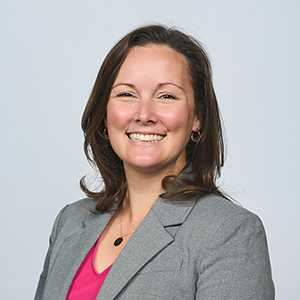
Women’s health offers a business advantage: urgent needs, overlooked markets, and patients and nurses ready to champion meaningful solutions. Engineer, hemorrhage survivor, and Armor Medical co-founder Kelsey Mayo explores how founders can turn that opportunity into clear value propositions, sustainable pricing, and scalable businesses. She’ll discuss how medical device innovation can address the need for high-quality data to strengthen AI models, support new products and revenue streams, and advance the field of women's health.
The 60-Second Menopause Scan: How BodyScan 2 Translates Population-Scale Data into Early Cardiometabolic Detection for Women
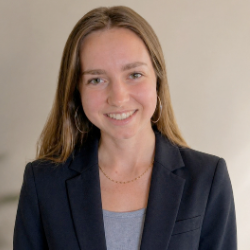
Nearly half of women don't recognize perimenopause until age 50—yet Withings' Menopause Transition 2026 Report, drawing on 2.5 million users across 11 countries, shows measurable cardiometabolic changes beginning a decade earlier. Those findings directly shaped BodyScan 2: the first home health station capturing visceral fat, arterial stiffness, AFib risk, and glycemic health in a single 60-second scan, empowering women to understand their health trajectory and giving clinicians a powerful new tool for menopause care.
Close of Conference
For more details on the conference, please contact:
Julia Boguslavsky
Executive Director, Conferences
Cambridge Healthtech Institute
Email: [email protected]
For sponsorship information, please contact:
Kristin Skahan
Senior Business Development Manager
Cambridge Healthtech Institute
Phone: 781-429-9985
Email: [email protected]
#HERSummit



Programs