

Women’s Health Therapeutics: Discovery to Development
Novel Drug Targets, Modalities, Technologies Driving Breakthrough Therapies
4/13/2027 - April 14, 2027 ALL TIMES PDT
Women’s health has long been overlooked in drug discovery, and the path to therapeutic progress remains complex, with insufficient R&D investment, limited disease understanding, a lack of relevant preclinical models, and inadequate clinical trial design and management. Women’s Health Therapeutics: Discovery to Development brings together drug developers, clinicians, and technology leaders working across target discovery, drug design, translational research, and the implementation of innovative tools and AI models, to discuss how the field can move ahead to launch much-needed, high-impact therapies. Join leaders from pharma, biotech, academia, technology companies, and investors to tackle the scientific and strategic barriers and make transformative treatments available for improving women’s health.
Preliminary Agenda
ADDRESSING SEX-BASED DIFFERENCES FOR CHRONIC WOMEN'S HEALTH CONDITIONS
Closing the Therapeutic Gap: Rethinking Chronic Conditions in Women
Women bear a disproportionate burden of many chronic diseases, yet the evidence base guiding their prevention and treatment remains incomplete. Despite growing investment in women’s health, female-specific biology is inconsistently incorporated into the development of novel therapeutics. This presentation will explore opportunities to better integrate female physiology, disease mechanisms, and life-course factors across the therapeutic development continuum. Differences in hormonal milieu, immune function, metabolism, and disease trajectories influence treatment response and adverse events, and should be considered. Deliberate attention to female biology can strengthen drug discovery and development and ultimately enable therapies that better reflect the health needs of women.
FEATURED PRESENTATION: Sex Differences in Cardiovascular Disease- Opportunities for Innovation

While cardiovascular disease is the leading cause of death in both men and women, there are important sex differences. Women have a higher lifetime risk of stroke, and higher risk of certain forms of heart failure and specific types of heart disease including microvascular disease, spontaneous coronary artery dissection, and takotsubo’s cardiomyopathy. These sex differences offer opportunities for innovations in diagnostics and therapeutics that can improve outcomes for women and all individuals.
Barriers and Solutions in Women's Health Research and Clinical Care: A Call to Action

There are significant differences between the sexes affecting prevalence, incidence, and severity over a broad range of diseases. Because women were excluded from most research until 1993, the prevention, diagnosis, and treatment of chronic diseases in women continues to be based primarily on findings in men, and sex-specific clinical guidelines are lacking. Research is needed to understand how relevant biological sex differences inform sex-specific prevention, diagnosis, and treatment strategies.
4HER2: Radioligands in Women’s Health

Radioligand therapy is seeing growing focus on women’s health, supported by dedicated research, development effort, and investment. 4HER2 (For HER2 Radioligands and Beyond) highlights the opportunity in HER2-positive breast cancer as well as other relevant indications, including ovarian cancer and selected autoimmune disorders. This talk reviews promising clinical and preclinical programs, the progress already underway, and how these targeted agents can improve outcomes for women and also, men.
Beyond Representation: Can Model Informed Drug Development (MIDD) Close the Female Evidence Gap?

INNOVATIVE THERAPEUTICS FOR WOMEN-RELATED DISORDERS
FEATURED PRESENTATION: Breaking the Cycle- Targeting the FP Receptor in Dysmenorrhea and Endometriosis

This presentation will highlight the prostaglandin F2a (FP) receptor as a therapeutic target for primary dysmenorrhea and endometriosis-associated pain. Evidence supports a role for excessive FP signaling in uterine hypercontractility and pain that can persist despite NSAID treatment. We will discuss the rationale for developing selective, oral small-molecule FP antagonists as a non-hormonal approach to directly block FP-mediated signaling and address an important unmet clinical need.
Developing Targeted Non-Hormonal Therapeutics to Treat Uterine Fibroids

Uterine fibroids affect more than 14 million symptomatic women in the U.S., yet treatment remains dominated by invasive procedures and hormonal therapies with significant limitations. This presentation will describe our efforts to translate the discovery of TDO2 as a therapeutic target downstream of MED12 mutations into a non-hormonal, precision treatment for uterine fibroids, highlighting the scientific rationale, early drug-development strategy, and path toward preclinical validation.
Targeting Wee2 for Non-Hormonal Contraception: Discovery and Characterization of First-in-Class Selective Small Molecule Inhibitors

Wee2 inhibition presents a novel opportunity for non-hormonal contraception, validated by human genetics in female infertility. Here, we present the discovery and characterization of first-in-class, potent, and highly selective Wee2 small-molecule inhibitors. These compounds effectively block egg activation in mouse and human in vitro models while exhibiting favorable safety profiles in preliminary in vitro ovarian function and teratogenicity assessments.
Bridging Engineering and Biology: New Frontiers in Ovarian Function Restoration and Fertility Research
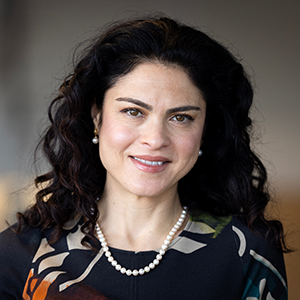
Chemotherapy and radiation cause premature ovarian insufficiency and infertility in young cancer survivors, and hormone replacement restores only some ovarian hormones, without natural cyclicity. My lab developed an immune-isolating hydrogel capsule that restored estrous cycles and estradiol production after implanting human ovarian tissue in mice, and biomimetic matrices that support in vitro follicle development. Our spatial atlas of the human ovary guides these platforms toward restoring fertility and ovarian function.
Ovarian Fibrosis: A Measurable and Targetable Hallmark of Human Reproductive Aging
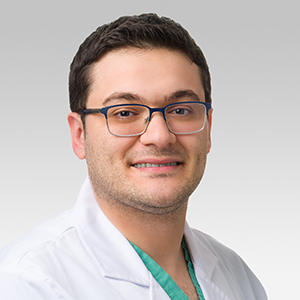
Ovarian aging is a major driver of infertility and age-related health decline in women, yet its underlying mechanisms remain poorly defined. Using multimodal profiling that integrates shear wave elastography, extracellular matrix fingerprinting, and single-cell transcriptomics, we demonstrate that ovarian fibrosis is a quantifiable hallmark of human reproductive aging. Ovarian stiffness is associated with diminished reproductive function, and our work identifies fibrosis as a promising biomarker and therapeutic target for extending reproductive longevity.
Microbiome-Based Therapeutics for Endometriosis: From Causal Discovery to Clinical Translation

The gut microbiome has emerged as a promising therapeutic target in endometriosis. This talk will discuss mechanistic and causal evidence linking gut microbes to disease progression and explore opportunities to translate these findings into microbiome-based therapies, biomarkers, and precision medicine approaches that may improve outcomes for women with endometriosis.
IMPACT OF AI/ML & NEW MODELS IN ACCELERATING DRUG DEVELOPMENT
Perimenopause, Menopause, and the Underserved Majority

Approximately 40% of every woman’s life can be described as either peri- or post-menopausal yet our understanding of this individualized transition remains limited to a collection of symptoms. We are developing a model of a woman’s life journey, beginning well before the first hot flash, to help women understand and manage their own transition and personalize their risk for breast cancer, cardiovascular disease, and osteoporosis.
Presentation to be Announced
Presentation to be Announced
For more details on the conference, please contact:
Tanuja Koppal, PhD
Senior Conference Director
Cambridge Healthtech Institute
Email: [email protected]
For sponsorship information, please contact:
Kristin Skahan
Senior Business Development Manager
Cambridge Healthtech Institute
Phone: 781-429-9985
Email: [email protected]
#HERSummit



Programs