
Cambridge Healthtech Institute’s Inaugural
Women's Health: Drug Discovery to Novel Therapies
Where Innovation Meets Impact
March 23 - 24, 2026 ALL TIMES PST
Monday, March 23
7:30 amRegistration Open and Morning Coffee
PLENARY KEYNOTE SESSION

Fueling Women’s Health with Science, Technology, Capital & Care
 Jen Radin, Principal, Deloitte
Women’s health has gained momentum, but we need to capitalize on it in a meaningful way to make long-term, scalable, and sustainable progress. This keynote panel brings together the key stakeholders in venture, R&D, and healthcare to provide insights into the leading opportunities and challenges facing the field, focusing specifically on:
- Where are we in the journey of women’s health?
- What are the key hurdles and what has worked so far to overcome them?
- What else needs to be done?
- How can we increase the investment in women’s health?
- What are some of the advances in the R&D pipeline that are showing the most promise?
- Are we exploring and exploiting all the innovations in FemTech?
- What needs to change to shift the conversation around access and reimbursement in women’s health?
- At what point does Women’s Health become just “health”?
- How can we better connect and collaborate to make a difference for all women?




9:45 amNetworking Coffee Break with Exhibit Viewing
WOMEN'S HEALTH: A CALL TO ACTION
Drug Discovery & Women’s Health: Where Are the Drugs?
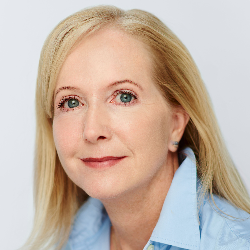 Wendy Young, PhD, Scientific Advisor & Board Director; Former Senior Vice President, Small Molecule Drug Discovery, Genentech
Despite remarkable progress in medical science, women's healthcare continues to face critical gaps—nowhere more evident than in drug innovation. This talk will explore the current state of drug approvals for women’s health, highlight substantial unmet medical needs, and discuss how funding dynamics shape innovation. It will highlight current trends in drug discovery and map out future directions for advancing innovation in women’s health.
FEATURED PRESENTATION: Can We Put an End to Debilitating Morning Sickness?
 Marlena Fejzo, PhD, Assistant Professor, Center for Genetic Epidemiology, Keck School of Medicine, University of Southern California; 2024 Time Women of the Year
Most pregnancies are affected by morning sickness, but 14% of pregnancies have severe symptoms that can be prolonged and debilitating and are associated with increased risk for adverse outcomes. Recently, we found the main determinant of severity of nausea and vomiting of pregnancy is sensitivity to the emetogenic hormone GDF15 produced by the placenta. The discovery of this causal mechanism has introduced new ways to prevent and treat it.
Academic-Industry Partnerships to Overcome Key Hurdles in Drug Development for Women’s Health
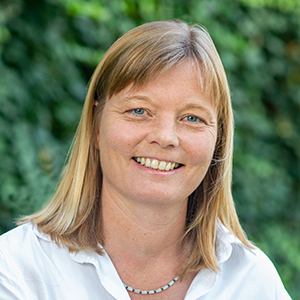 Angelika Fretzen, PhD, MBA, COO & Technology Translation Director, Wyss Institute, Harvard University
Despite growing recognition of the unmet medical needs in women’s health, drug development continues to be hindered by critical gaps, including limited understanding of disease mechanisms, absence of early diagnostic tools, and insufficient clinical trial stratification. This talk will explore how pre-competitive academic–industry partnerships can unlock innovation by addressing these challenges upstream. Using endometriosis as an opportunity, Dr. Fretzen will highlight collaborative approaches to biomarker discovery, patient stratification, and translational strategies that can accelerate progress not only in endometriosis but across a spectrum of women-predominant conditions.
12:00 pmEnjoy Lunch on Your Own
ADVANCES IN TREATING CANCERS IN WOMEN
Advancing Treatments for Women with Cancer
 Sarah Temkin, MD, Senior Director, Early Detection, American Cancer Society
Women face distinct biological, hormonal, and social factors that influence cancer risk, progression, and treatment response—yet these differences remain underrepresented in oncology research and drug development. This session will examine the unique cancer needs of women and persistent gaps in therapeutic innovation for cancers that disproportionately or uniquely affect women. Experts will highlight emerging tools, sex-specific insights, and collaborative strategies aimed at closing these gaps and advancing equitable, personalized cancer care for women.
A New Small Molecule Drug for Improving Women’s Cancer Therapy
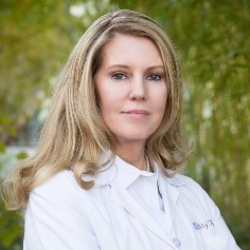 Linda Malkas, PhD, Professor of Molecular Diagnostics and Experimental Therapeutics; Dean for Translational Science and External Affairs, City of Hope National Medical Center
Proliferating cell nuclear antigen (PCNA) plays an essential role in regulating DNA synthesis and repair and is indispensable to cancer cell growth and survival. It represents an attractive molecular target to develop broad-spectrum anti-cancer agents. By targeting a cancer specific domain of PCNA, we identified a novel compound, AOH1996, which selectively kills cancer cells but causes no significant toxicity to a broad range of non-malignant cells. AOH1996 is in clinical trials. Our research suggests AOH1996 may significantly improve women’s cancer therapeutic approaches.
The Discovery of Giredestrant for Breast Cancer
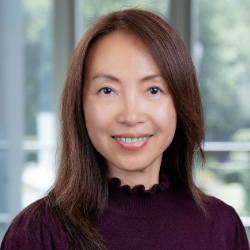 Gina Wang, PhD, Senior Director & Distinguished Scientist, Genentech Inc.
Breast cancer affects one in eight women during their lifetime, making it the most frequently occurring cancer among women. Globally, the World Health Organization estimated that breast cancer caused approximately 670,000 deaths worldwide in 2022. About 70% of all breast cancers express estrogen receptor alpha (ERa), making it a key target for breast cancer treatment. Giredestrant, a full ERa antagonist and degrader, has undergone multiple Phase III clinical trials for patients at various stages of breast cancer. The discovery and development of giredestrant will be shared to inspire further groundbreaking research aimed at helping patients in need.
3:05 pmNetworking Refreshment Break with Exhibit Viewing
CHANGEMAKERS: DRIVING INNOVATIVE THERAPIES
Women’s Health as a Discovery Engine: New Drug Targets for Preeclampsia and Glioblastoma
 Janine Ellenberger, B.Med.Sc., CEO & Co-Founder, Zenagem Bio
Life-threatening pregnancy disorders such as preeclampsia remain understudied, limiting therapeutic options for mothers and infants. This talk introduces a chemoproteomic drug de-orphanization framework using activity-based protein profiling to identify actionable targets of approved drugs. Importantly, disease-relevant stress pathways defined in (pre)eclampsia converge with vulnerabilities in glioblastoma, enabling rational discovery of lead molecules and therapeutic strategies for otherwise intractable brain cancers with immediate translational relevance to oncology, neurology, and maternal medicine.
Next-Generation Therapies for Women’s Health: Engineering Cell Therapy Platforms to Treat Endometriosis
 Bishwas Shrestha, PhD, Co-Founder & CEO, Adjuva Bio Inc.
Adjuva Bio is developing next-generation cell therapies to treat endometriosis by targeting the fibrotic and inflammatory microenvironment that drives the disease. Our in vivo cell therapy platform is designed for precision targeting and localized immunomodulation to reduce inflammation. This presentation will highlight our therapeutic strategy, early preclinical data, and the broader potential of cell-based platforms to address major unmet needs in women’s health.
Looking beyond Inflammation: A New Approach to Endometriosis Therapy
 Aritro Sen, PhD, Co-Founder & CSO, Maipl Therapeutics Inc.
Endometriosis (EM) affects over 10% of reproductive-aged women and adolescents and causes lesions, infertility, and severe pain, with pain reduction remaining the main treatment goal. A major driver of the intense, pulsating menstrual pain in EM is excessive uterine and gastrointestinal contractions—mechanistically similar to labor. Patients experience abnormally strong and prolonged menstrual contractions, producing dysmenorrhea two to three times more severe than non-menstrual pelvic pain and affecting most patients. Targeting these hypercontractions may address a root cause of EM pain. This talk proposes a paradigm shift away from largely unsuccessful anti-inflammatory strategies toward therapies that modulate uterine hypercontractility, treating dysmenorrhea.
A Botanical Approach to Non-Hormonal Women's Health Therapeutics
 Sue McKinney, Founder & CEO, Altin Biosciences
The FDA's Botanical Drug Guidance offers drug developers a regulatory pathway to approval for plant-based medicines. Plants are sophisticated chemical manufacturing environments and hold therapeutic promise for a multitude of conditions. Altin Biosciences is pursuing a novel botanical therapeutic for the non-hormonal treatment of uterine fibroids. Learn about the regulatory pathway for botanicals, myths, challenges and opportunities.
How an AI-Driven Collaboration is Advancing Women’s Health


Nalu Bio is advancing new therapies for endometriosis, a chronic and under-served disease affecting more than 200 million women worldwide. Through a collaboration with Lilly TuneLab, Nalu Bio applies AI/ML models trained on decades of proprietary Lilly data to accelerate early-stage small-molecule drug discovery. Nalu Bio and Lilly TuneLab will share a case study, showing how AI-driven ADMET prediction enables rapid screening and optimization of novel endocannabinoid system (ECS) therapeutics.
5:15 pmWelcome Reception with Exhibit Viewing
6:15 pmClose of Day
Tuesday, March 24
7:45 amRegistration Open and Breakfast Available
 BREAKFAST PANEL DISCUSSION:
Capital to Commercial: The Women’s Health BIOtech Ecosystem
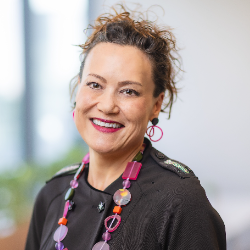 Michele M. Oshman, Chief Patient Advocate, Senior Vice President, Alliance Development, Biotechnology Innovation Organization (BIO)
Join us for a breakfast discussion with leaders across the biotechnology continuum. From raising funds to commercial launch and market access, our speakers will discuss their unique perspectives and roles in advancing women’s health.

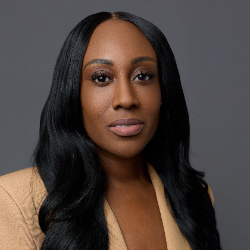
New Models for Advancing Therapeutics from Bench to Bedside
Sarah Temkin, MD, Senior Director, Early Detection, American Cancer Society
Topics to be discussed:
- Awareness of translational opportunities and challenges that exist in getting ideas from preclinical to clinical
- Strategies and models being successfully employed to overcome some of the real-world therapeutic issues
- Leveraging data and AI/ML to accelerate progress
- Exploring pre-competitive partnerships to drive success
Angelika Fretzen, PhD, MBA, COO & Technology Translation Director, Wyss Institute, Harvard University


IN PERSON ONLY ROUNDTABLE DISCUSSIONS
Roundtable Discussions are informal, moderated discussions, allowing participants to exchange ideas and experiences and develop future collaborations around a focused topic. Each discussion will be led by a facilitator(s) who keeps the discussion on track and the group engaged. To get the most out of this format, please come prepared to share examples from your work, be a part of a collective, problem-solving session, and participate in active idea sharing. Please visit the Roundtable Discussions page on the conference website for a complete listing of topics and descriptions.
How to Effectively Leverage Technology to Accelerate Drug Development for Women's Health
Petrina Kamya, PhD, Global Head of AI Platforms & Vice President, Insilico Medicine; President, Insilico Medicine Canada
- Leveraging AI for the discovery of novel targets and drug repurposing
- Using machine learning to identify potent, drug-like small-molecules
- Utilizing novel drug delivery technologies designed specifically for women
- Using tools to understand disparity in female drug pharmacokinetics and dosing
Key Learnings Going from Bench to the Clinic
Marlena Fejzo, PhD, Assistant Professor, Center for Genetic Epidemiology, Keck School of Medicine, University of Southern California; 2024 Time Women of the Year
Linda Malkas, PhD, Professor of Molecular Diagnostics and Experimental Therapeutics; Dean for Translational Science and External Affairs, City of Hope National Medical Center
- Finding biological relevance and overcoming translational challenges
- Gaps in developing commercially viable targets and leads
- Lack of FDA guidance and clinical endpoints
- Success stories, lessons learned, or events that catalyzed change
Bridging Preclinical and Clinical Data in Women’s Health
Sophie Zaaijer, PhD, Principal Investigator, University of California Riverside; Specialist, University of California Irvine
- Sex-stratified PK dosing and monitoring and drug–hormone interaction studies
- The impact of perimenopause and menopause on therapeutic development
- Piloting sex-responsive, FDA-aligned trial designs and clinical protocols
10:00 amNetworking Coffee Break with Exhibit Viewing
TECHNOLOGIES ACCELERATING WOMEN’S HEALTH
Leveraging AI for the Discovery of Novel Targets and Repurposed Drugs to Address Diseases Implicated in Women's Health
 Petrina Kamya, PhD, Global Head of AI Platforms & Vice President, Insilico Medicine; President, Insilico Medicine Canada
There is a significant gap when it comes to understanding the underlying causes affecting women's health and funding for R&D, and there are tools and data that we can leverage to help us begin to close the gap and pave a path towards addressing diseases that result in a significant societal and economic burden. I will describe the work we did in collaboration with Gynae Solutions, the Buck Institute for Research on Aging, and the Chinese University of Hong Kong to identify novel targets implicated in immune pathways, as well as a drug being repurposed to address endometriosis.
AI-Driven Discovery of Next-Generation Oncology Therapeutics for Women’s Healthcare
 Lana Kulyk, PhD, Executive Director, Chemistry, Iambic Therapeutics
Iambic is advancing a pipeline of next-generation oncology therapeutics through its AI-driven drug discovery platform, with a strong focus on women’s healthcare, particularly ovarian and breast cancer. This presentation highlights a HER2 inhibitor in a Phase 1/1b clinical trial, demonstrating exceptional selectivity, broad mutant coverage, and robust brain penetrance. Programs are powered by Iambic’s ML models, including PropANE, Enchant, NeuralPLexer, integrated with high-throughput synthesis and screening to accelerate end-to-end discovery.
Breaking Barriers in Women’s Health through Drug Delivery Innovation
 Sabrina Martucci Johnson, President and CEO, Daré Bioscience
Women are not just small men, and their health solutions shouldn’t be scaled-down versions of male-centered models. Daré’s novel drug-delivery technologies are designed specifically for women and address the often-overlooked areas such as sexual and reproductive health that demand more targeted, thoughtful approaches to care.
Improving Female & Male Fertility Patient Experience with LHCGR Agonists
 Nikki Simpson, Principal Investigator, In Vivo Pharmacology, PostEra
Luteinizing Hormone/ Choriogonadotropin Receptor (LHCGR) is a critical regulator of fertility in women and men. It is necessary for follicle development and normal spermatogenesis, and loss of LHCGR activity leads to infertility. The injectable LHCGR agonist, hCG, is the current standard of care for females undergoing controlled ovarian stimulation and/or males with secondary hypogonadism. Using our machine learning platform, we identified potent, drug-like small-molecule LHCGR agonists with comparable efficacy to hCG in murine in vivo models.
12:40 pmEnjoy Lunch on Your Own
1:45 pmNetworking Refreshment Break with Exhibit Viewing
OVERCOMING TRANSLATIONAL HURDLES
Precision Dosing for Her: Women and Clinical Blunders
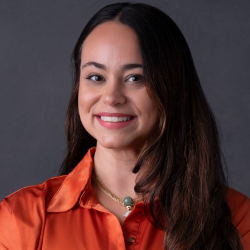 Nisha Perez, ScD, MS, MSPM, Head of DMPK & Clinical Pharmacology, HotSpot Therapeutics
Persistent disparity in female drug pharmacokinetics and dosing leads to a "one-size-fits-all" approach, often based on male-centric data. This oversight causes suboptimal efficacy or increased adverse drug reactions in women. Examining historical clinical studies and drug approvals where female-specific data were inadequately considered is crucial for understanding these failures and informing appropriate drug-development and prescribing practices.
Using Personalized Predictive Models to Transform Discovery, Translation, and Access for Women
 Andrea Olariu, MD, PhD, CEO, Medicines360
Personalized predictive models are transforming the landscape of women’s health. By leveraging data-driven insights and AI-powered tools, researchers and clinicians can identify unique health patterns, accelerate biomedical discoveries, and tailor interventions to individual needs. We'll discuss how these models are being applied to close gaps in diagnosis and improve clinical trial representation. We'll highlight considerations, challenges, and translational opportunities that come with deploying predictive models in real-world settings.
Why Counting Women Isn't Enough: Rethinking Clinical Trials to Serve Women's Health
 Sophie Zaaijer, PhD, Principal Investigator, University of California Riverside; Specialist, University of California Irvine
This panel explores how clinical trials must move beyond simply counting women to truly serve women’s health. We explore: what if trials were designed differently from the ground up—using diagnostics that capture the rhythms of female biology, enrollment criteria that enable fair representation, and digital tools that reveal women’s real-world experiences? The message is clear: rethinking trials across every stage unlocks stronger science and healthier futures.
Key themes include:
- Diagnostics & Preclinical Discovery: Designing diagnostics and models that capture the dynamic nature of female biology.
- Enrollment Criteria & Clinical Access: Rethinking eligibility and thresholds to ensure women are represented fairly in trials.
- Trial Design & Monitoring Innovations: Using wearables and digital tools to capture women’s real-world biology and improve outcomes.




4:05 pmClose of Conference



Programs