Cambridge Healthtech Institute's Inaugural
The Future of Women's Healthcare
Redefining Care, Revolutionizing Health Outcomes for Women
March 23 - 24, 2026 ALL TIMES PST
Monday, March 23
7:30 amRegistration Open and Morning Coffee
PLENARY KEYNOTE SESSION

Fueling Women’s Health with Science, Technology, Capital & Care
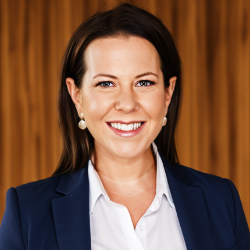
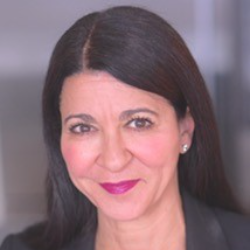 Jen Radin, Principal, Deloitte
Women’s health has gained momentum, but we need to capitalize on it in a meaningful way to make long-term, scalable, and sustainable progress. This keynote panel brings together the key stakeholders in venture, R&D, and healthcare to provide insights into the leading opportunities and challenges facing the field, focusing specifically on:
- Where are we in the journey of women’s health?
- What are the key hurdles and what has worked so far to overcome them?
- What else needs to be done?
- How can we increase the investment in women’s health?
- What are some of the advances in the R&D pipeline that are showing the most promise?
- Are we exploring and exploiting all the innovations in FemTech?
- What needs to change to shift the conversation around access and reimbursement in women’s health?
- At what point does Women’s Health become just “health”?
- How can we better connect and collaborate to make a difference for all women?
9:45 amNetworking Coffee Break with Exhibit Viewing
THE FUTURE OF WOMEN'S HEALTHCARE
From Fragmented to Foundational—Reimagining the Future of Women’s Healthcare
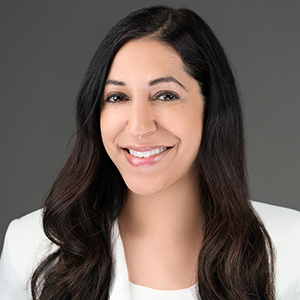 Priya Bathija, Founder & CEO, Nyoo Health
The Future of Women’s Healthcare is being defined right now. With the previous several decades of lacking in attention, funding and innovation, Women’s Healthcare is finally gaining momentum. This panel will focus on what needs to happen next for us to capitalize on this momentum and build a better future for women’s health. Experts will frame crucial conversations and share their thoughts on the following:
- What are our current thoughts on where we are on the journey of women’s healthcare?
- What are the current building blocks we have that we want to carry forward with us?
- What needs to change to shift the conversation around reimbursement of women’s health?
- How is AI set to impact women’s health specifically?
- At what point does Women’s Health become just “health”?
- In a perfect world, what does women’s healthcare look like?
- What is your one key piece of take-home advice for the audience?
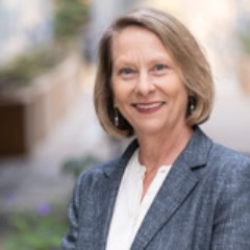

Precision Medicine's Blind Spot: An Opportunity to Transform Women's Health — and Health for All
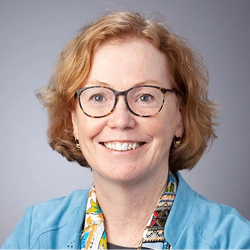
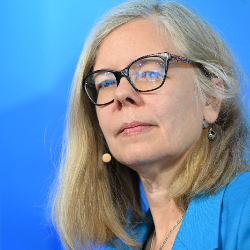 Chloe Bird, Director, Center for Health Equity Research, Tufts Medical Center
This presentation exposes a critical blind spot in precision medicine: the persistent evidence gap in women’s health that undermines diagnostic accuracy, treatment effectiveness, and health outcomes. Drawing on historical analysis, current funding patterns, and new ROI modeling, it demonstrates how male-centric research limits scientific progress and public health. The talk introduces EVIDENCE4All, a data-driven framework for mapping and prioritizing evidence gaps across conditions. It highlights the pivotal role of higher-education leaders—through research priorities, faculty hiring, training, and interdisciplinary collaboration—in driving the scientific, institutional, and cultural shifts needed to advance women’s health and strengthen biomedical rigor for all.
12:00 pmEnjoy Lunch on Your Own
OVERCOMING BARRIERS AND FILLING THE GAPS FOR ACCESS TO CARE
The Overlooked Link between Endometriosis and Black Maternal Mortality
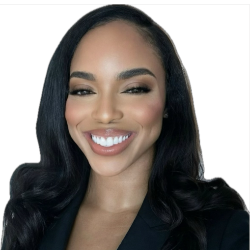 Calbeth C. Alaribe, OBGYN Hospitalist Physician Assistant; Health Equity Subject Matter Expert, Valley Perinatal Services
Black women face disproportionate risks of maternal mortality from hypertensive disorders of pregnancy, yet their experiences with endometriosis remain underexamined in research. This talk explores the overlooked intersection between endometriosis and preeclampsia/eclampsia, highlighting systemic gaps in U.S. studies and their consequences for Black maternal health. By reframing endometriosis beyond pain, this presentation calls for inclusive, equity-driven research to inform early detection, clinical care, and policy aimed at reducing preventable maternal deaths.
How Are We Moving the Needle to Provide Access to Care for All?
Priya Bathija, Founder & CEO, Nyoo Health
When it comes to access, barriers and gaps remain across all of healthcare, but these are exacerbated in women’s health. Progress is being made but we must continue to break down the barriers and fill the gaps across the system. This panel will deep-dive into the following key questions:
- What are the major barriers and gaps in providing access to women’s health?
- What approaches are working when it comes to improving access to care?
- How are we ensuring that our work provides access to care for all?
- How can we collaborate across the entire healthcare ecosystem to provide better access to women’s healthcare?
- How are digital and virtual approaches helping us provide more access?
- What is your one key piece of take-home advice for the audience?

3:05 pmNetworking Refreshment Break with Exhibit Viewing
CASE-STUDY SHOWCASE
Leveraging Technology to Improve Outcomes and Decentralize Care in the "Fourth Trimester"
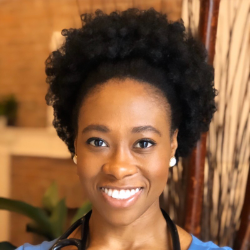 Ukachi Emeruwa, Assistant Professor, Women’s Reproductive Health Research Scholar, UC San Diego Health
- The current and future opportunities in enhancing care in the fourth trimester
- A look at research that is utilizing wearable tech to help provide more end-to-end care
- What are the future goals of this research?
Advancing Maternal Health
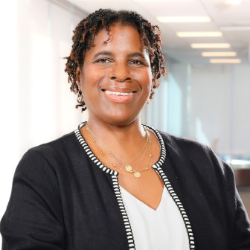 Dawnette Lewis, MD, Director, Center for Maternal Health, Northwell Health
Northwell Health is the largest health system in the Northeast, and the most diverse. Dawnette Lewis, MD, OBGYN, maternal fetal medicine specialist, and director of Northwell's Center for Maternal Health details efforts to improve overall maternal health, particularly to close the disparity gaps facing women of color.
Designed for Her: How AI Implementation Can Level the Playing Field for Women’s Health
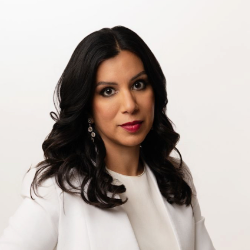 Ami Bhatt, Chief Innovation Officer, American College of Cardiology
We will critically analyze why the promise of AI in healthcare continues to fall short, and how we can flip the script by making women clinicians, entrepreneurs, investors, and patients the co-architects of tech solutions. From biased algorithms and workflow mismatches to fiscal investment and marketing, this session focuses on building better systems starting with the end goal of equitable care in mind.
5:15 pmWelcome Reception with Exhibit Viewing
6:15 pmClose of Day
Tuesday, March 24
7:45 amRegistration Open and Breakfast Available
 BREAKFAST PANEL DISCUSSION:
Capital to Commercial: The Women’s Health BIOtech Ecosystem
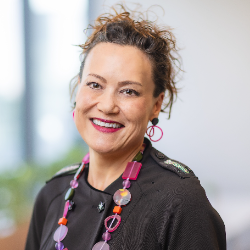 Michele M. Oshman, Chief Patient Advocate, Senior Vice President, Alliance Development, Biotechnology Innovation Organization (BIO)
Join us for a breakfast discussion with leaders across the biotechnology continuum. From raising funds to commercial launch and market access, our speakers will discuss their unique perspectives and roles in advancing women’s health.

Prime Time Is Now: Designing and Scaling Integrated Midlife and Menopause Care
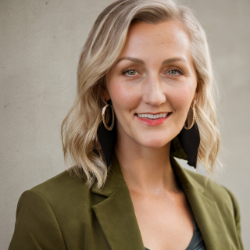
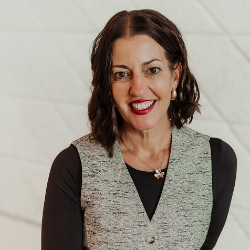
At Corewell Health, we’re reimagining care for women in their “Prime Time.” Join us to learn how our Women’s Health and Wellness Center integrates multiple women‑centered services and specialists into a single, seamless experience that saves time while delivering personalized, whole‑person care. We’ll share how coordinated visits, wellness resources, and scalable innovative care models are transforming access to midlife and menopause care—and how this proven approach is successfully expanding.
IN PERSON ONLY ROUNDTABLE DISCUSSIONS
Roundtable Discussions are informal, moderated discussions, allowing participants to exchange ideas and experiences and develop future collaborations around a focused topic. Each discussion will be led by a facilitator(s) who keeps the discussion on track and the group engaged. To get the most out of this format, please come prepared to share examples from your work, be a part of a collective, problem-solving session, and participate in active idea sharing. Please visit the Roundtable Discussions page on the conference website for a complete listing of topics and descriptions.
IN-PERSON ONLY ROUNDTABLES: Future of Women's Healthcare
In these dynamic discussion-led sessions, have more informal discussions around the current opportunities and challenges for the key conditions in women’s health.
Share and exchange ideas around crucial areas and leave with new knowledge and connections.
Topics are:
10:00 amNetworking Coffee Break with Exhibit Viewing
CASE-STUDY SHOWCASE
Leveraging Digital Strategies to Improve Postpartum Care and Long-Term Cardiovascular Health Following Hypertensive Pregnancies
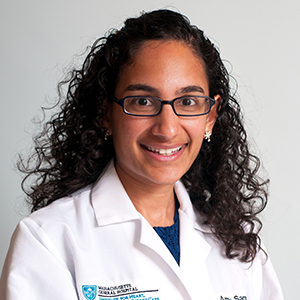 Amy Sarma, MD, Director, Women's Heart Health Program, Massachusetts General Hospital
Hypertensive disorders of pregnancy affect an increasing number of women in the United States and increase the risk of both postpartum morbidity and mortality as well as later-life cardiovascular disease. However, postpartum women often face barriers to traditional in office care and the rapidly changing hormonal and hemodynamics of the immediate postpartum period merit more continuous rather than episodic monitoring. In this talk, I will cover the current landscape of digital solutions to improve the care of postpartum patients as well as future opportunities.
Expanding Access and Excellence in Urogynecology: Building a Comprehensive Care Model
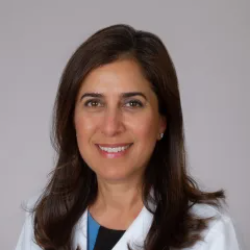 Tanaz Ferzandi, MD, MBA, MA, Vice Chief of Staff & Service Line Chief of Obstetrics & Gynecology, Keck Hospital of USC
This session will explore strategies for providing wrap-around care that addresses the full spectrum of patient needs, while advancing the growth and capabilities of the urogynecology service line. Attendees will gain insights into operational best practices, multidisciplinary collaboration, and opportunities to expand into complementary areas of women’s health.
Knitting Together the Women's Healthcare Ecosystem to Revolutionize Women's Health
Carol Huffman, Vice President Clinical Innovation & Implementation, MVP Health Care
- A look at how innovative partnerships are building wrap-around healthcare around patients
- Introducing novel aspects of this work such as building in care for the father/co-parent, data-sharing and more
- What is the path forward to scale this work?
12:25 pmEnjoy Lunch on Your Own
1:45 pmNetworking Refreshment Break with Exhibit Viewing
IMPROVING OUTCOMES BY CONNECTING WOMEN'S HEALTH ACROSS HEALTHCARE
Designing & Building a Patient-First Women's Hospital
- A look at what women say they are looking for from their care providers
- How have we incorporated this information into the design and building of our new women’s health hospital
- What is the vision for the future of women’s health at our organization?
Next Steps in Collaborating and Scaling Work Internally and Externally to Improve Patient Outcomes Moving Forward
 Vasanta Pundarika, CEO & Founder, Lotuspring
In order to improve women’s health outcomes in the current healthcare system, we are going to need to build bridges and strong working relationships internally and externally. It’s going to take a village and more to get to where we want to be and this panel will deep-dive into this by focusing on the following:
- What are the key internal and external working groups that are moving the needle on patient outcomes?
- How are organizations structuring their women’s health teams? What is working, what is not working?
- What methods are working when connecting women’s health specialists and other healthcare specialists at scale?
- How are we leveraging AI to improve patient outcomes?
- How can we continue to collaborate across women’s health to improve patient outcomes?
- What is your one key piece of take-home advice for the audience?
3:35 pmClose of Conference



Programs